We always knew we wanted a second child, so when the adoption agency asked if they could begin showing our album to birthmothers again we were ready to let things happen in their own time. It was only a few months after that when we got the call, and the day that we found out Bear’s birthmom had chosen us to be her family was one of the most exciting moments of my life.
T-man had been with us about ten months by then. After people knew we were open to a second adoption they would sometimes ask if I hoped it would be a girl and at the time I’d say no, we’ll be thrilled with whatever child joins our family. Now that Bear is here, though, I feel so incredibly blessed that I didn’t miss out on the experience of being this little girl’s mom. A whole new world opened up to us the minute she entered our lives.
Things were different with Bear from the beginning simply due to circumstance. T-man came home as a sturdy 10-month-old who was already pulling up on the furniture. In contrast, we were able to meet Bear the day she was born and she looked so…breakable. Six measly pounds seemed like a toothpick compared to the baby who had come home the summer before, and I wondered how everything from baths to diapering would happen without hurting this tiny thing. Thankfully there were wonderful nurses at the hospital, one of whom invited me to watch while she gave Bear a bath. When I saw that nurse flipping Bear around to clean her up I realized that even at six pounds she was a lot tougher than she looked.
I’d already started to educate myself on needs specific to African-American/biracial children. I learned pretty quickly that T-man’s skin gets ashy and needs daily moisturizer, so I tried different products until we found a cream that worked well for him. With Bear’s arrival, though, we’d welcomed in a brand new era: The Hair.
Girls and hair are a thing, I know, but girls and African-American hair is a completely different phenomenon. I started with basic hair care issues like how often to shampoo her hair with the proper products while keeping her scalp conditioned. For a while my focus was on maintaining healthy hair, but eventually I realized we would need to do something with it. This hustled in my time of study under the tutelage of YouTube.
Seriously, people, I can’t count the number of ways YouTube was my saving grace in those first years of fixing hair. For real. I’ve often joked around that you can learn anything on there, but it is the God’s honest truth. YouTube taught this little white mama about puffs, twists, box braids, cornrows, ponytails, natural styles, and flat ironing. There’s a whole community on there of white mamas with brown babies who post their step-by-step hair tutorials, which newbie mamas can study for tips and tricks. There’s nothing about braiding (or “un”braiding, for that matter!) that can be called easy, but every little bit of wisdom passed along by someone who’s already been there was priceless.
Here are just a few of Bear’s ‘dos over the years:
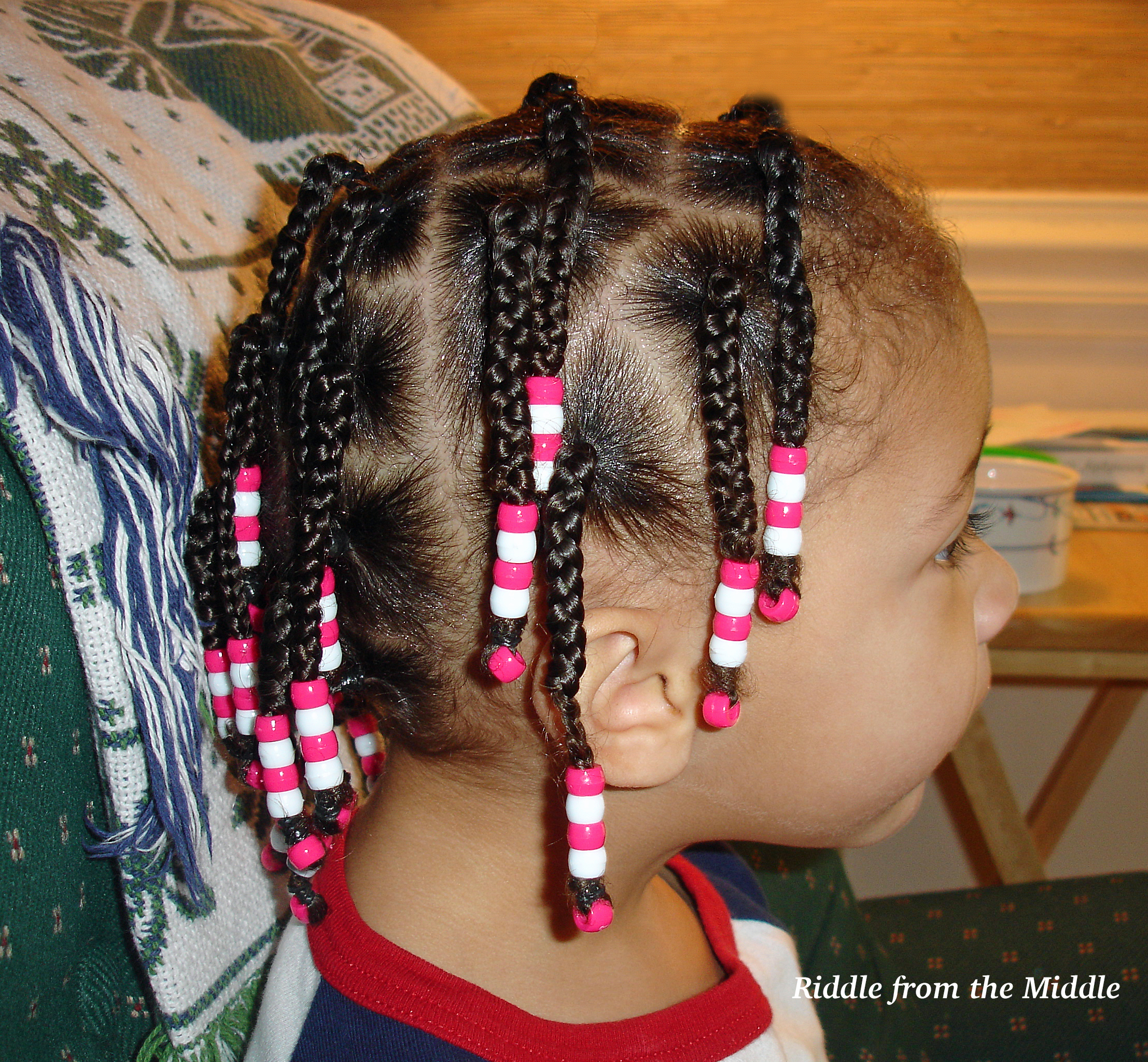
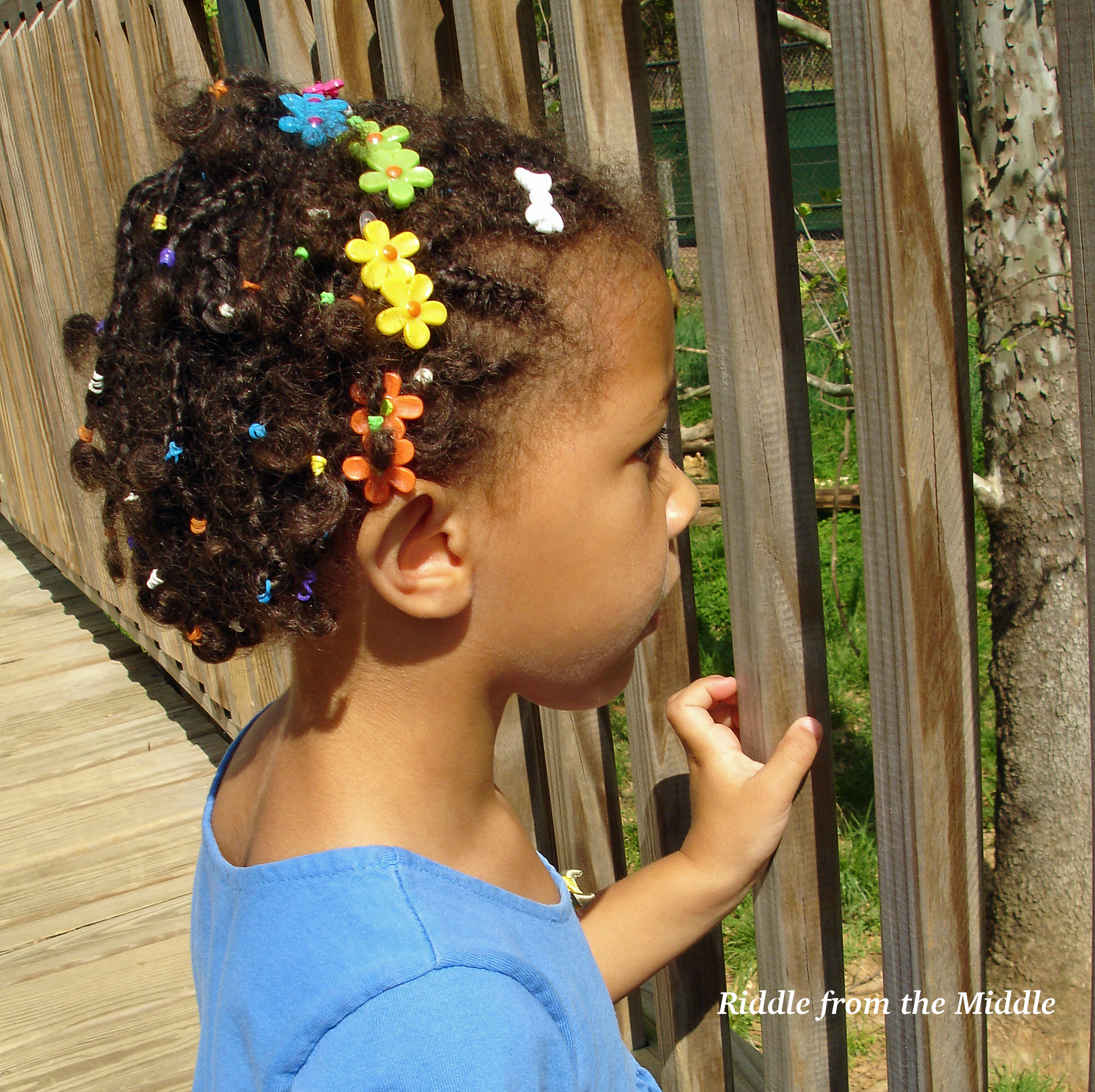
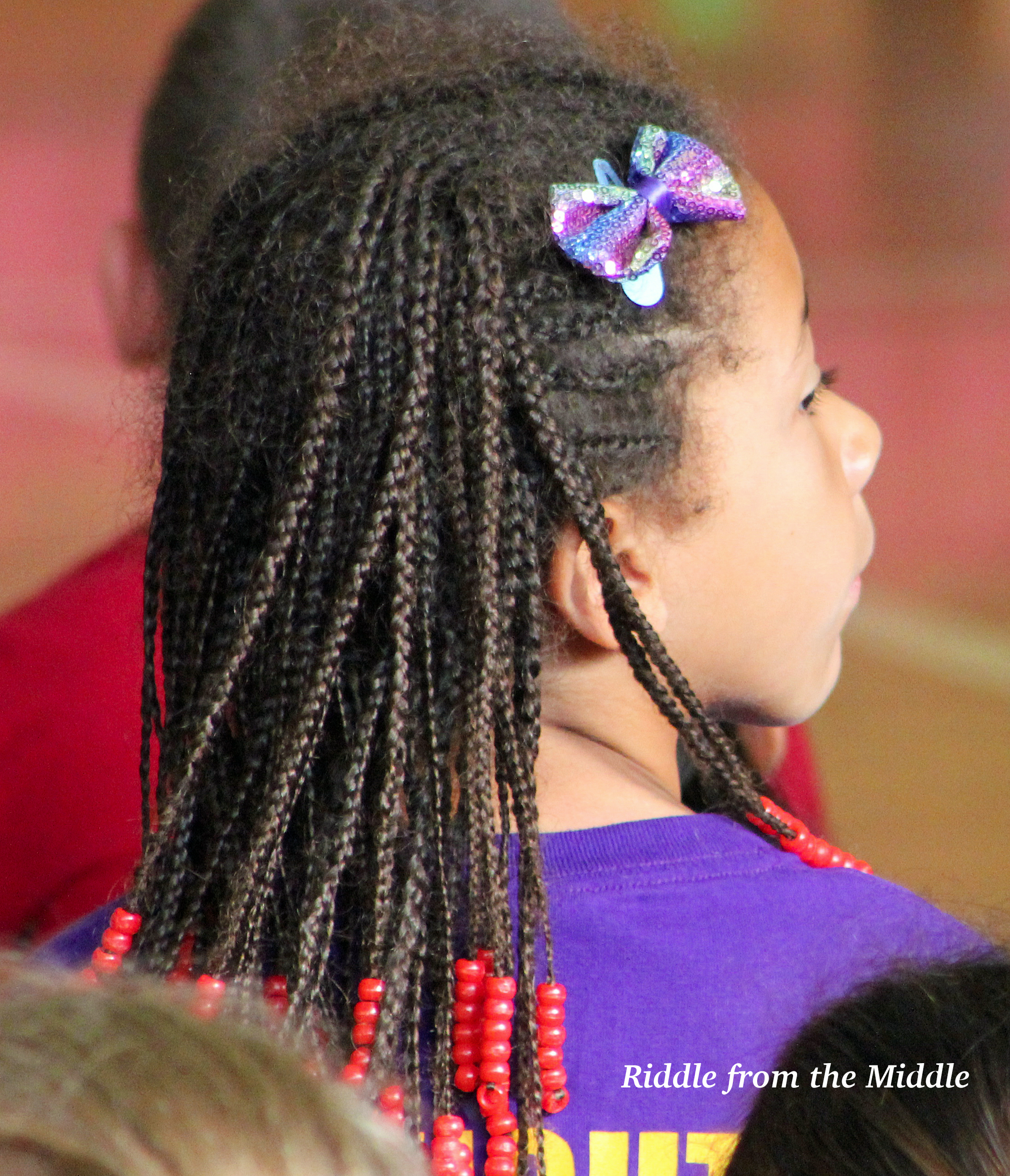
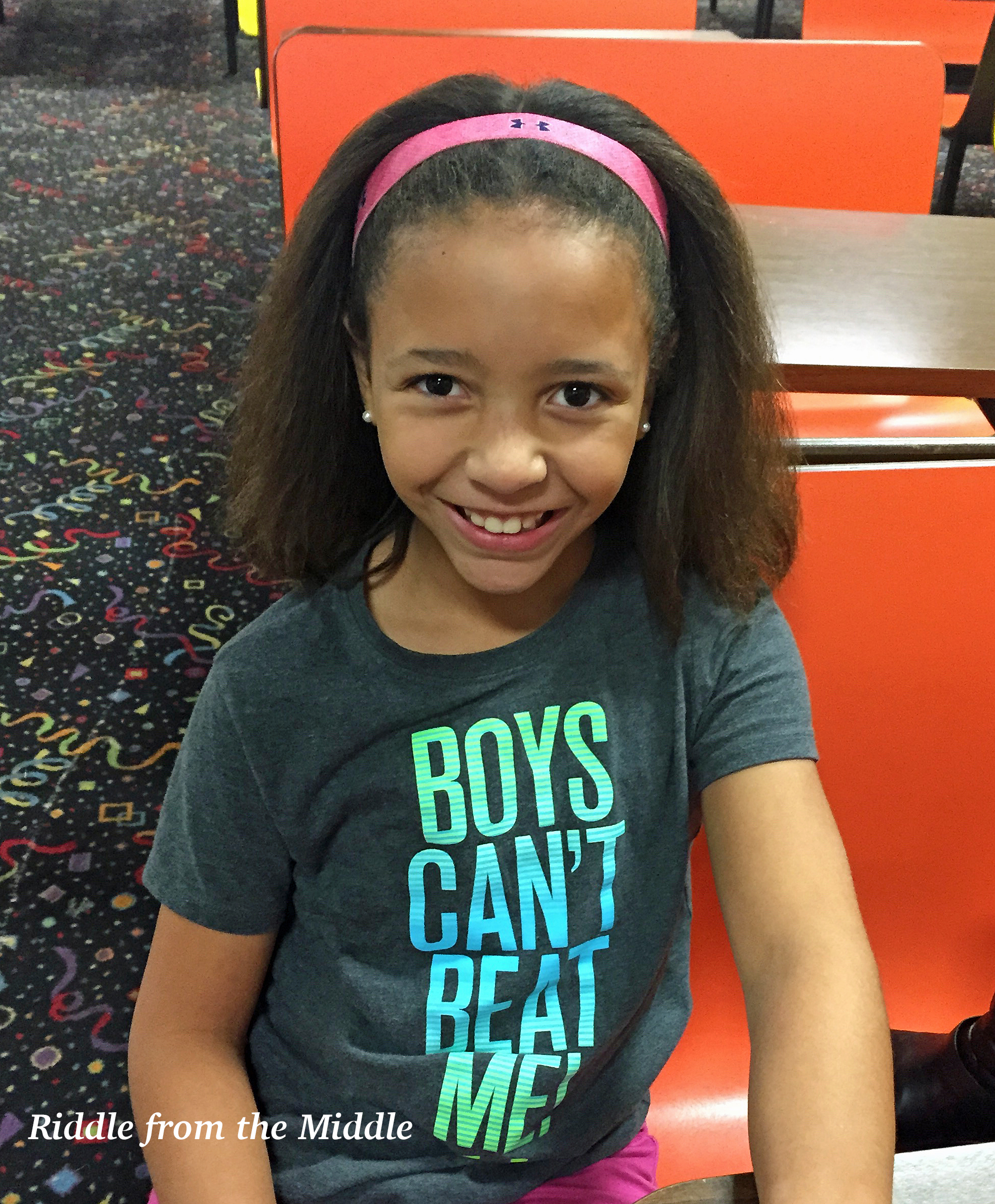
 Riddle from the Middle
i really enjoyed this post. I am an adoptee and during my first adoption trial was placed with a white family who did not know how to deal with my hair and cut it off and I wore bows around my head all the time. Then I was placed and formally adopted by a black couple so things got better
LikeLike
I’m glad you liked reading this, and I’m so sorry about what happened in your first placement. I had to do a lot of research to learn about caring for Bear’s hair. It’s sad when parents don’t do this for their child. It sounds like your adoptive parents are a good match for you!
LikeLike